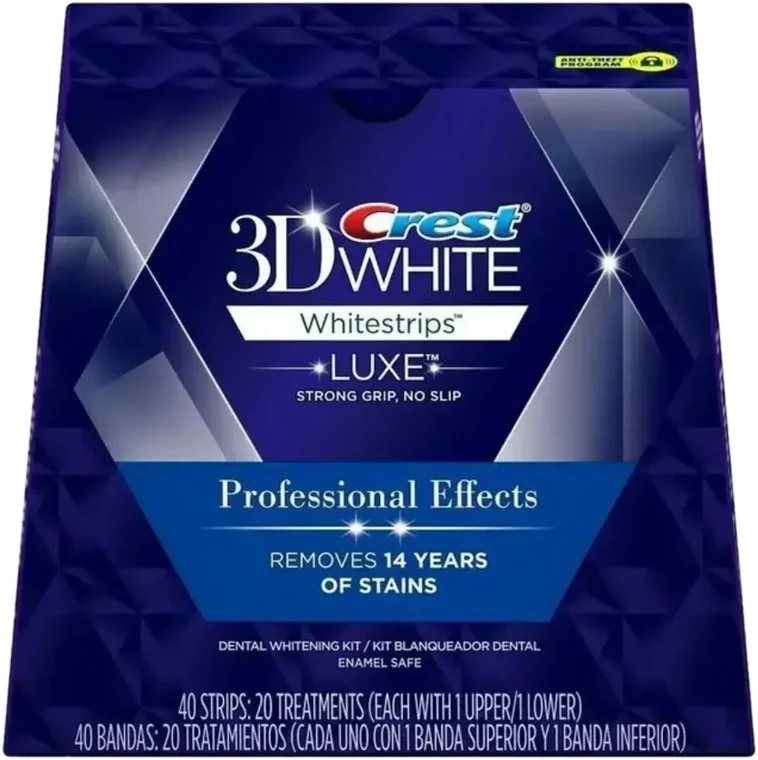
Teeth Whitening
Teeth Whitening Strips for Sensitive Teeth: What You Need to Know
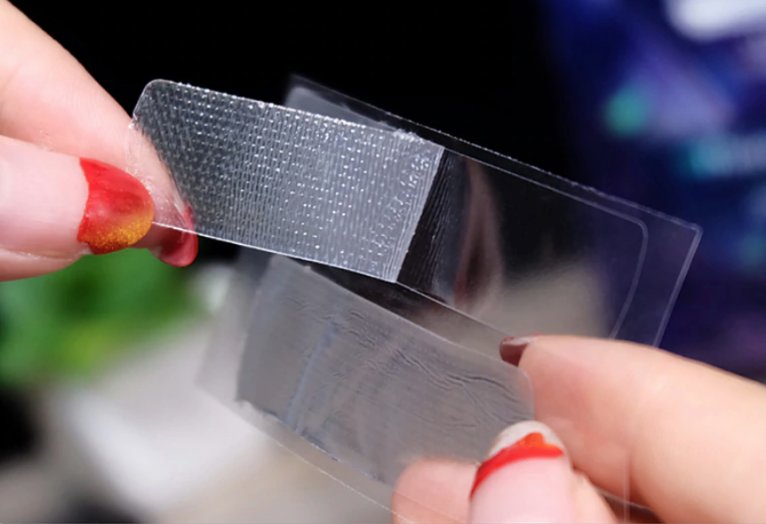
A dazzling, white smile is something that many people aspire to, but if you have sensitive teeth, you might be hesitant to attempt teeth-whitening treatments. The good news? There are now choices made especially for those with sensitivity, and teeth whitening strips have advanced significantly.
Here are some things to consider before applying teeth-whitening strips to delicate teeth.
What causes tooth sensitivity?
Cavities, exposed dentin, gum recession, and worn enamel are the most common causes of tooth sensitivity. Foods that are hot, cold, or sweet might hurt or create discomfort when the inner layer of your tooth is exposed. Hydrogen peroxide, a common ingredient in traditional whitening strips, can irritate sensitive teeth and gums.
Are teeth whitening strips safe for sensitive teeth?
Yes, but not every strip is created equal. Some teeth-whitening strips are specifically made with substances like potassium nitrate, which helps lessen sensitivity, or with lower quantities of whitening chemicals. These are made to minimise irritation while progressively whitening.
What to look for in whitening strips for sensitive teeth
Consider the following characteristics when looking for teeth-whitening strips:
✓Low peroxide levels
Seek out products with hydrogen peroxide contents of 6% or less.
✓Additional desensitising components
Strips with potassium nitrate might lessen sensitivity.
✓Short application times
Some strips reduce the amount of time in contact with enamel by only needing to be worn for 5–10 minutes as opposed to 30.
Make sure to carefully read product labels and select strips that state they are “safe for sensitive teeth.”
Tips for using whitening strips with sensitive teeth
✓Brush with a sensitive toothpaste
Use a toothpaste for sensitive teeth both before and after putting on the strips.
✕Don’t keep strips on too long
Don’t keep the strips on for longer than is advised; carefully follow the directions.
✕Avoid acidic food and drink
When using whitening products, stay away from acidic foods and beverages like soda and citrus.
✓Take breaks if sensitivity rises
If sensitivity rises, take a short break between treatments before continuing your course.
Alternatives to consider
You can try whitening toothpaste for sensitive teeth, professional whitening at a dentist’s office with sensitivity control, or custom whitening trays with desensitising gels if whitening strips still seem too strong.
Teeth whitening strips for sensitive teeth 101
If you buy the right product and use it properly, teeth whitening strips can be a safe and effective solution, especially for those with sensitive teeth. Always pay attention to your teeth, start slowly, and look for gentle formulas. Pain or discomfort shouldn’t be sacrificed for a more radiant grin.
Before beginning any whitening procedure, it is best to speak with your dentist if the sensitivity continues or gets worse.